Ever wondered what lurks on that shiny clinic desk or in the waiting-room chair? In Adelaide, the basics of cleaning might seem obvious: a mop here, a spray there but clinics require a whole different level of care. Unlike the typical house cleaning Adelaide crew tidying a living room, or the team prepping an Airbnb for the next guest, a medical centre cleaning service tackles germs with surgical precision. I remember sneaking into a local GP clinic at dawn and finding the cleaning crew decked out in masks and gloves, true medical ninjas, polishing every corner before the first patient arrived.
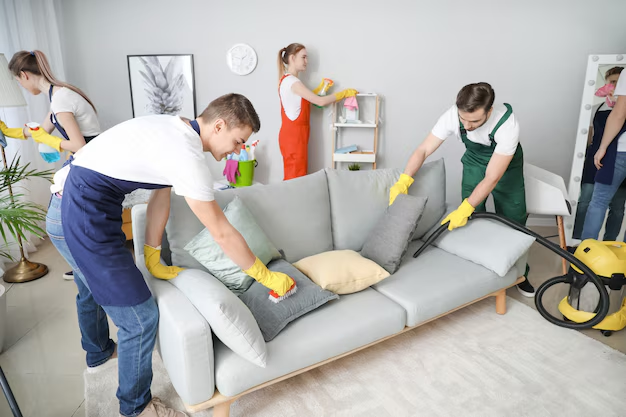
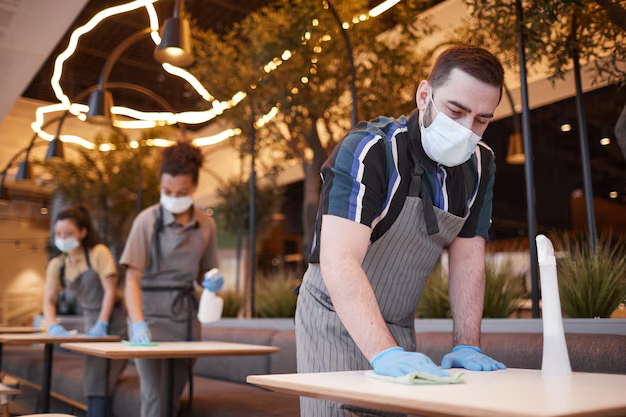
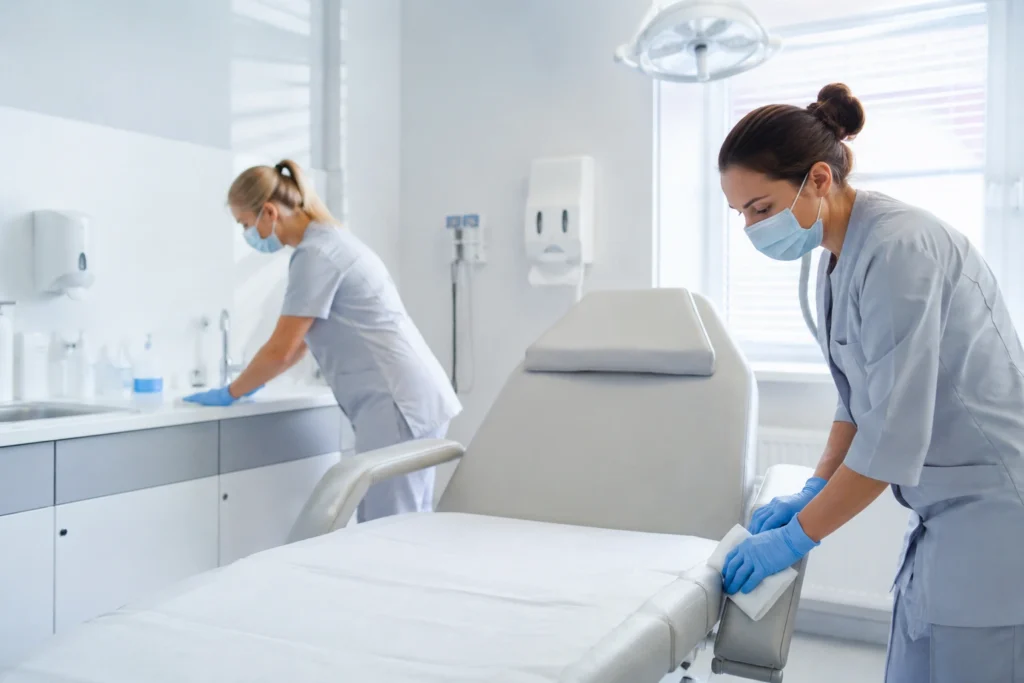
Once a clinic is awake, those spotless hallways and counters reflect hours of meticulous work carried out through professional medical centre cleaning services. Trained cleaners wear PPE and follow strict schedules to maintain hygiene standards. They wipe down high-touch spots like door handles and light switches, mop floors with hospital-grade disinfectants, empty bins, and even refill hand sanitiser dispensers. It’s not a casual sweep; it’s a carefully choreographed routine designed to support a safe and healthy healthcare environment
Medical centres are full of vulnerable people, young kids, elderly patients, or anyone with a weakened immune system. That means infection control is non-negotiable. In fact, the Australian Commission on Safety and Quality in Health Care highlights the importance of maintaining clean and hygienic healthcare environments to reduce the risk of infections. For example, if someone with the flu sneezes in an exam room, cleaners don’t wait until tomorrow; they immediately disinfect that chair or table.
Medical centre cleaning services follow a systematic approach to hygiene and infection control. They treat every surface as if it’s a potential germ hotspot, cleaning the “cleanest” spots first so that dirt and microbes drift downward, and the floor gets polished last. It’s like tidying a room from top to bottom so nothing cleaned gets dirty again.
When we talk about “key areas” for medical centre cleaning, we really mean the places where germs love to hide. Here’s a quick rundown of those high-priority hotspots:
- Door handles and light switches: hese are classic germ highways. Every person who touches them risks spreading microbes, so medical centre cleaning services focus on disinfecting these high-touch surfaces multiple times a day to reduce the spread of germs and bacteria.
- Reception desks and phones: The front desk is touched by staff and patients alike. As part of professional medical centre cleaning services, phones, keyboards, pens, and countertops are disinfected frequently—often hourly or after heavy use to stop bacteria from hitching a ride on your paperwork.
- Waiting room seating: Those chairs and tables see high traffic. Cleaners wipe them down with hospital-grade disinfectant several times during a workday.
- Children’s play area (if any):Toys and soft surfaces in a clinic waiting area for kids get extra attention. Similar to medical centre cleaning services, which focus on maintaining a hygienic healthcare environment, cleaners disinfect toys, play equipment, and other high-touch items to help prevent germs from spreading through little hands.
- Examination tables and patient chairs:In the consulting rooms, anything the patient sat on or touched (gurneys, exam tables, armrests) is wiped between every patient with approved disinfectants as part of professional medical centre cleaning services. No shortcuts here after all, even one missed spot could mean another person catches whatever bug the last patient had.
- Medical equipment and devices: Stethoscopes, blood pressure cuffs, oximeters, thermometers any tool that touches skin must be cleaned after each use. Cleaners use alcohol wipes or sterilising solutions on devices to stop germs from leaping from one patient to the next.
- Hand hygiene stations and dispensers: It’s ironic, but soap and sanitizer pumps can get grimy too. As part of professional medical centre cleaning services, cleaners regularly wipe down dispenser nozzles, pump tops, and the area around sinks. Even the sink basins, taps, and countertops get thoroughly scrubbed, as moisture can encourage bacterial growth, so these areas are kept clean, hygienic, and sparkling.
- Bathrooms and toilets: These are prime breeding grounds for bacteria. Toilets, floors, partitions, flush buttons, and sink areas get deep-cleaned often with strong disinfectant. medical centre cleaning services These spaces also need to smell fresh – odor control is part of thorough sanitation.
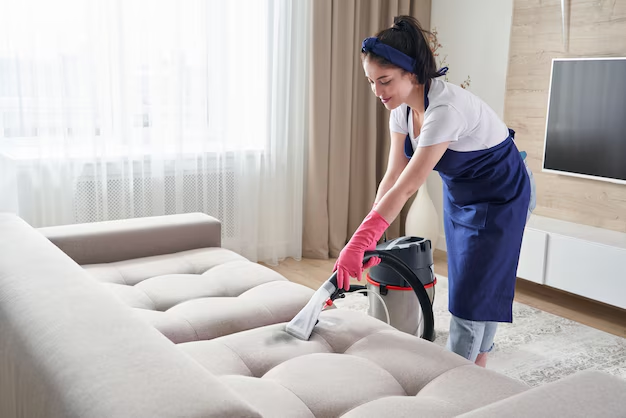
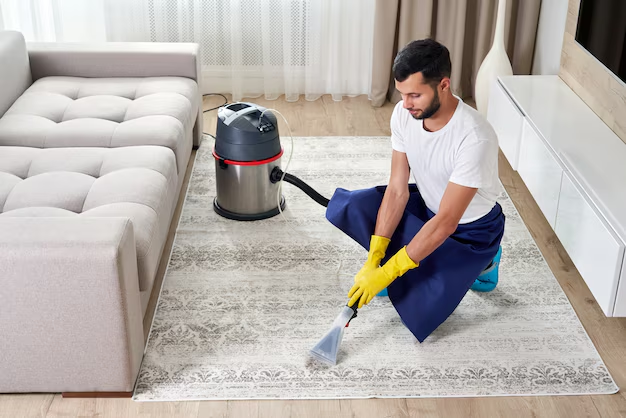
- Floors (hard vs. carpeted): Most clinics have hard, smooth floors in patient areas because they’re easier to keep germ-free. These get vacuumed (with HEPA filters) or swept medical centre cleaning services and then damp-mopped with detergent/disinfectant regularly. Carpets, if any (usually away from treatment rooms), are vacuumed or spot-treated, and steam-cleaned when soiled. In fact, guidelines recommend avoiding carpet in exam areas altogether.
To make it clearer, here’s a quick summary table of cleaning priorities:
| Area | Why It’s Germy | Cleaning Focus |
|---|---|---|
| Door handles/switches | Touched by almost everyone, invisible bugs | Wipe with disinfectant every 1–2 hours |
| Waiting room seating | Many hands, coughs/sneezes, shared space | Disinfect chairs/tables multiple times a day |
| Reception desk & PC | Constant hand contact (paperwork, phones) | Alcohol wipes or disinfectant on all surfaces hourly |
| Exam tables & chairs | Direct patient contact & bodily fluids | Sanitize after every patient |
| Medical instruments | Possible blood or fluids on equipment | Clean with approved medical disinfectants immediately after use |
| Bathrooms/toilets | Warm, wet conditions encourage bacteria | Heavy-duty disinfectants; clean floors/surfaces several times daily |
| Floors (clinical areas) | Dirt and drips from all above; high foot traffic | Vacuum then mop with detergent (disinfectant if needed), daily or more |
Even floor mats and rugs get a once-over as part of professional medical centre cleaning services. For surfaces that aren’t obviously dirty but receive frequent contact uch as hand sanitiser pumps, shared pens, and clipboards cleaners routinely disinfect them, sometimes using UV lights or specialised sanitation carts. Advanced medical centre cleaning services in Adelaide may also use colour-coded cloths and cleaning systems to help prevent cross-contamination and maintain high hygiene standards.
It’s not just patient areas. Staff zones and support areas need special attention too. Break rooms, kitchenettes and staff bathrooms get cleaned often so employees don’t become unwitting germ reservoirs. Cleaners launder uniforms and linens using hot water detergents, and handle soiled linen and laundry with gloves, separating them carefully. Waste bins are emptied frequently, and biohazardous waste is dealt with per health regulations. In short, every corner patient or staff has its own cleaning plan.
By now you can see why a medical centre cleaning service is so much more thorough than ordinary commercial cleaning. It’s the difference between a quick tidy-up and a full-scale germ warfare. This isn’t just about looking polished; it’s about patient safety. In fact, South Australian health authorities lay it out clearly: medical centre cleaning services clinics must have a documented cleaning schedule outlining who cleans what and how often. The official SA Health Cleaning Standard even provides a state-wide blueprint for infection control in healthcare settings.
Conclusion
Keeping a medical centre spotless is a team effort, and medical centre cleaning services play a vital role in maintaining a safe and hygienic healthcare environment. By focusing on high-touch surfaces, patient areas, sanitation zones (toilets, sinks), and support spaces (floors, staff rooms), clinics can dramatically reduce infection risks. In short: targeted cleaning makes care safer. So, if you manage a clinic, use this checklist and ensure your medical centre cleaning services cover each of these critical areas daily to maintain the highest standards of cleanliness and patient safety.
Remember, a germ-free clinic means healthier patients and peace of mind for you. Ready to give your medical centre the shine it deserves? Reach out to a professional cleaning service in Adelaide for a quote – or grab a microfiber cloth and get started yourself. A little elbow grease today pays off in patient safety tomorrow.
Frequently Asked Questions
Q: How often should medical centre surfaces be cleaned?
You should clean high-touch areas like door handles, switches and patient chairs multiple times per day. Exam rooms and equipment typically get disinfected after every patient. Restrooms and floors in treatment areas are usually cleaned at least daily (sometimes more if busy). Basically, any surface touched by people is wiped down at least once per day, and often on the spot if someone sick was there.
Q: Is medical centre cleaning different from regular commercial cleaning?
Yes – very different. A residential or office clean might focus on dusting and vacuuming. A medical centre clean uses hospital-grade disinfectants and follows infection-control protocols. Cleaners are trained to follow a sequence (cleaner-to-dirtier zones, use color-coded cloths, wear PPE). It’s similar to aged care facility cleaning services or childcare cleaning services in that protecting vulnerable people (patients or kids) is the goal. But clinics also have medical equipment and strict sanitary rules, so the job is more specialized.
Q: Do I need special cleaning products for a clinic?
Absolutely. Medical centres use products approved for healthcare use. These include TGA-listed disinfectants against bacteria, viruses (and even superbugs), and chlorine bleach solutions for spills. Regular home cleaners (like kitchen sprays) usually aren’t enough. For floors and surfaces, staff use detergents plus disinfectants as needed. They also use microfiber mops and cloths that trap microbes better than cotton rags. In short: a medical centre cleaning service uses professional-grade gear you don’t get at the supermarket.
Q: Are there government rules for clinic cleaning in Adelaide?
Yes. Australian health guidelines require healthcare facilities to have formal cleaning schedules and procedures. For example, clinics follow the SA Health Cleaning Standard and the RACGP infection-control guidelines, which spell out exactly what to clean, how often, and which products to use. While a small private GP might not be a “hospital”, it still must meet these infection-control benchmarks – so their cleaners follow them closely.
Q: What mistakes should be avoided when cleaning a medical centre?
One common slip-up is missing high-touch spots. It’s easy to vacuum a floor and think you’re done, but an unclean doorknob or chair arm can still spread germs. Another mistake is using the same cloth everywhere the one you cleaned the toilet with should never go near an exam table. Also, skipping documentation is a no-no; good clinics keep logs of what was cleaned and when. Finally, never underestimate the floor even if you feel clean, someone’s germs could be underfoot. In sum: clean often, clean thoroughly, and clean smart. That way, your clinic stays a safe place for everyone.