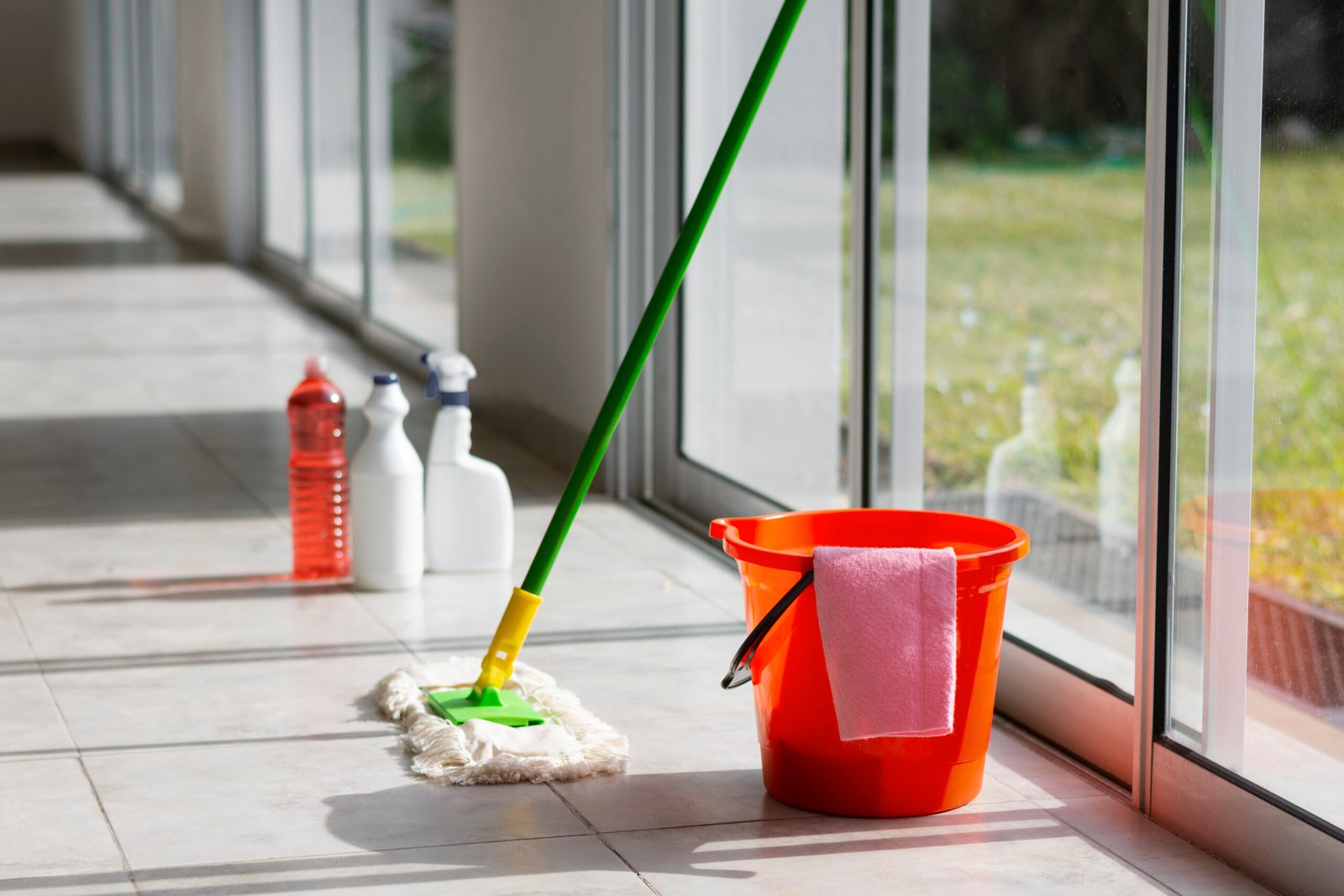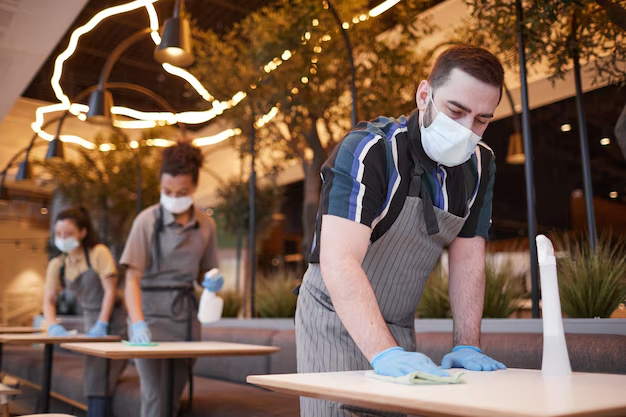
Maintaining cleanliness in restaurants is essential for both customer satisfaction and compliance with health regulations. In Adelaide, professional restaurant cleaning services ensure that tables, floors, and kitchen areas remain spotless. Clean dining areas create a positive first impression, build customer trust, and promote a safe environment for diners. These services follow systematic routines to maintain hygiene standards, keeping restaurants compliant with local health rules. The following sections outline the step-by-step cleaning processes used by experts, along with practical tips to simplify and improve restaurant cleaning.
Why Professional Cleaning Matters in Adelaide
Ever walked into a restaurant and immediately thought, “Wow, this place is clean!” That moment is powerful. In Adelaide’s bustling hospitality scene, first impressions count. A restaurant’s hygiene speaks volumes – good or bad. Beyond pride of place, local laws demand it. For example, Food Standards Australia New Zealand makes it clear: all premises, fixtures and food-contact surfaces must be kept clean and sanitary. Down in South Australia, SA Health even reminds us: “Utensils, equipment and surfaces that come in contact with food must also be sanitised”.
Hiring a pro cleaning team means ticking all those boxes. Experts know exactly what regulators look for – from shiny chrome appliances to odor-free bins – so you can focus on cooking. They bring commercial-grade gear and the know-how to use it correctly. In short, a clean restaurant is a happy restaurant with happy owners, happy customers, and a big thumbs-up from health inspectors.
The Step-by-Step Cleaning Process
Cleaning a restaurant isn’t random – it’s methodical. Professionals follow a well-defined routine. The basic flow goes something like this:
- Step 1 – Clear & Pre-clean: Remove rubbish, leftovers and large debris. Pre-rinse or scrape food scraps off dishes and surfaces. This “pre-clean” makes the scrubbing steps way more effective.
- Step 2 – Wash: Hit everything with hot water and food-safe detergent. Tables, benches, sinks, stove tops – scrub until visible grime is gone. Warm water is great at lifting grease, which is the enemy of cleanliness.
- Step 3 – Rinse & Sanitize: Rinse off all the soap suds. Then apply a sanitising agent or very hot water to kill germs. restaurant cleaning services SA Health emphasizes that sanitising is separate from cleaning. It’s like washing a dish then dunking it in bleach water two steps for extra safety.
- Step 4 – Dry & Inspect: Let surfaces air-dry or use clean cloths. Wipe down any water marks. Then do a final sweep/mop of the floors to catch any drips Finally, double-check every corner: no sticky spots on the counter, no grime in the grill. That seals the deal.
This top-to-bottom approach prevents spread of dirt and ensures even hidden spots get attention. Professional crews often start high and finish with the floor, so loose debris always ends up in the right place.
Daily Cleaning Checklist
Consistency is key. Every night , focus on the basics. Here’s a handy breakdown of daily tasks by area:
- Dining Area: Sweep or vacuum the dining room and entryway, wiping up crumbs and spills Wipe and sanitise dining tables, chairs and any barstools after each use. Polish glass surfaces and windows so they sparkle. Empty trash bins and replace liners.
- Kitchen & Prep Areas: Clean and sanitise all countertops, prep tables and cutting boards. Give stovetops, ovens and grills a quick wipe-down after use. restaurant cleaning services Wash or run commercial dishwashers on the hottest cycle to deep-sanitise plates and utensils. Don’t forget the sinks keep them free of food bits and sanitize them too.
- Equipment: Rinse out and sanitize sinks, dish bins, and even the built-in drains. In the case of dishwashers, run the longest, hottest cycle and clean filters regularly. restaurant cleaning services Small appliances should be wiped clean and dried.
- Restrooms: Multiple times a day, disinfect toilets, urinals, sinks and faucets. Refill soap, sanitizer and paper supplies. Mop restroom floors with a disinfectant solution daily. A clean restroom tells customers you care about every detail.
The table below shows how often to tackle each task for top hygiene:
| Area | Daily Tasks | Weekly/Periodic Tasks |
| Dining Floors | Sweep and mop dining area floors | Deep-scrub tile grout or shampoo carpets weekly |
| Tables & Chairs | Wipe and sanitise after each use | Deep-clean upholstery/finish wood weekly |
| Glass & Mirrors | Clean and polish to remove fingerprints | Full window wash weekly |
| Countertops | Clean & disinfect prep counters | Remove items & deep-sanitize surfaces weekly |
| Cooking Equipment | Wipe stovetops, fryers, grills after shifts | Disassemble and degrease ovens/grills weekly |
| Sinks/Dishwasher | Scrub and sanitise sinks daily | Clean dishwasher filters and drains weekly |
| Restrooms | Sanitize toilets, sinks & floors | Scrub walls/fixtures and descale monthly |
| Trash Bins | Empty all bins; clean spills around them daily | Wash bins and dumpster area regularly |
| High-Touch Areas | Wipe door handles, switches, POS terminals daily | — |
Each restaurant may tweak this schedule, but these are solid guidelines to keep things safely spotless.
Pro Tips & Clever Tricks
Keeping a restaurant gleaming is a team sport. Here are some insider hacks I’ve picked up along the way:
- Top-to-Bottom Rule: Always start cleaning at the highest point so dust and drips end up on the floor, which you mop last.
- Colour-Code Your Tools: Use different cloths and mop heads for kitchen vs. bathroom. It’s a small habit that majorly cuts down on cross-contamination.
- Microfiber Over Paper: Invest in good microfiber cloths and mops. They trap grease and dust way better than paper towels or old rags – plus you save money and waste in the long run.
- Go Green: Many Aussie eateries love eco-friendly cleaners. Vinegar or baking soda can tackle stains, but always check they’re approved for food areas .
- Keep a Checklist or Log: Sound nerdy? Maybe – but it works. A visible checklist or digital log ensures nothing gets missed and can impress health inspectors. For example, ticking off “fridge cleaned” or “hood filter changed” builds accountability.
- Safety First: Slips and falls are real hazards. Clean up spills immediately and always leave a “Wet Floor” sign if needed. Also, keep your personal kit handy: gloves, aprons, and non-slip shoes. When your team feels safe, they clean better.
A pro move: schedule deep-clean tasks during off-hours or slow periods. It means less disruption and a more thorough job. restaurant cleaning services Oh, and never mix bleach with ammonia cleaners that’s a recipe for poison gas. You’re a chef, not a chemist!
Conclusion
Running a restaurant in Adelaide is challenging enough but a squeaky-clean environment sets you ahead. We’ve covered why cleanliness is vital , broken down the step-by-step cleaning process, and shared pro tips to make the job smoother. The bottom line: don’t underestimate cleaning. A solid routine protects your diners and your reputation.
Now it’s over to you: have you tried any of these tips, or do you have a secret cleaning hack? Food Standards Australia New Zealand – Cleaning and Sanitising Let us know in the comments! And if you’d rather hand the mop off, local restaurant cleaning services in Adelaide are ready to help – they’ll get your place shining, so you can serve the good stuff with pride.
FAQs:
How often should restaurants be deep-cleaned?
Major appliances usually get a thorough deep-clean weekly. Daily tasks sweeping, mopping, sanitising – happen after every shift to keep germs at bay.
Why hire professional restaurant cleaning services?
They know the exact steps and use commercial tools to meet SA food-safety standards. Pros keep everything compliant and sanitary, freeing you to focus on customers, not grime.
What should a daily restaurant cleaning checklist include?
Typical tasks: sweep and mop all floors, wipe and sanitise tables and chairs, clean and disinfect kitchen counters and equipment, wash dishes, and keep restrooms stocked and tidy.