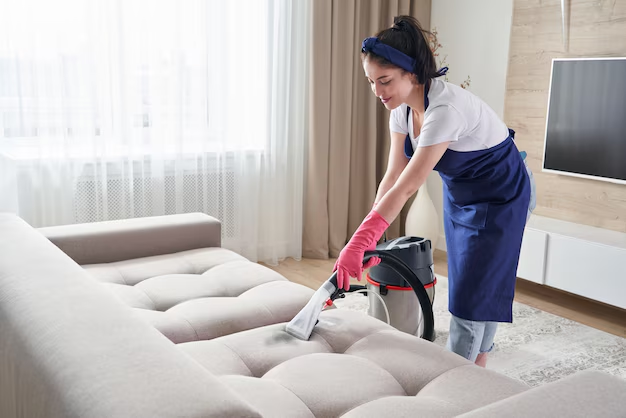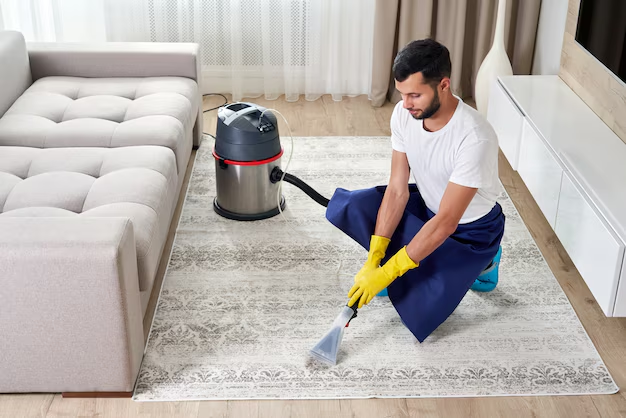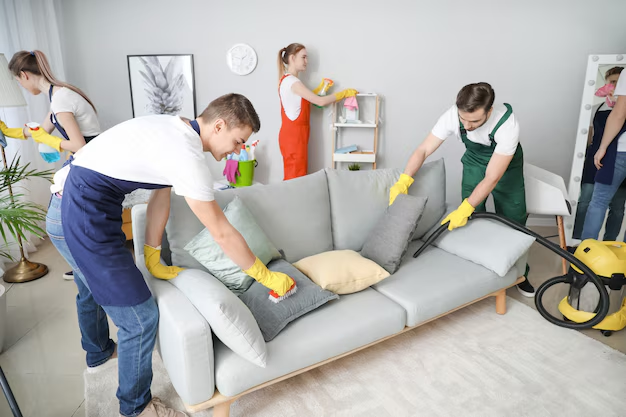
Medical center cleaning Adelaide typically includes cleaning and disinfecting treatment rooms, waiting areas, reception spaces, bathrooms, staff areas, floors and frequently touched surfaces. Unlike standard office cleaning, healthcare cleaning follows stricter hygiene procedures designed to reduce contamination risks and maintain a safe environment for patients, staff and visitors.
Medical centres experience constant foot traffic and regular contact with shared surfaces. Door handles, reception counters, chairs, treatment beds and bathroom fixtures can all require frequent attention, making a structured cleaning schedule essential.
What Is Included in Medical Center Cleaning Adelaide?
A professional medical center cleaning Adelaide service usually covers both clinical and non-clinical areas. The exact cleaning schedule should reflect the type of healthcare service, patient numbers, individual rooms and infection risks.
The Australian Guidelines for the Prevention and Control of Infection in Healthcare recommend determining cleaning methods, frequency and products according to risk. Outpatient clinics and treatment rooms can fall into higher-risk cleaning categories than ordinary offices.
Typical services may include:
- Cleaning and disinfecting treatment and consultation rooms
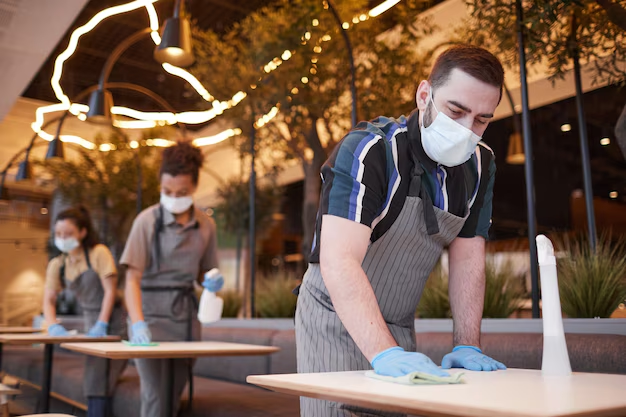
- Wiping reception desks and counters
- Cleaning waiting-room seating and tables
- Disinfecting frequently touched surfaces
- Cleaning toilets, basins and bathroom fixtures
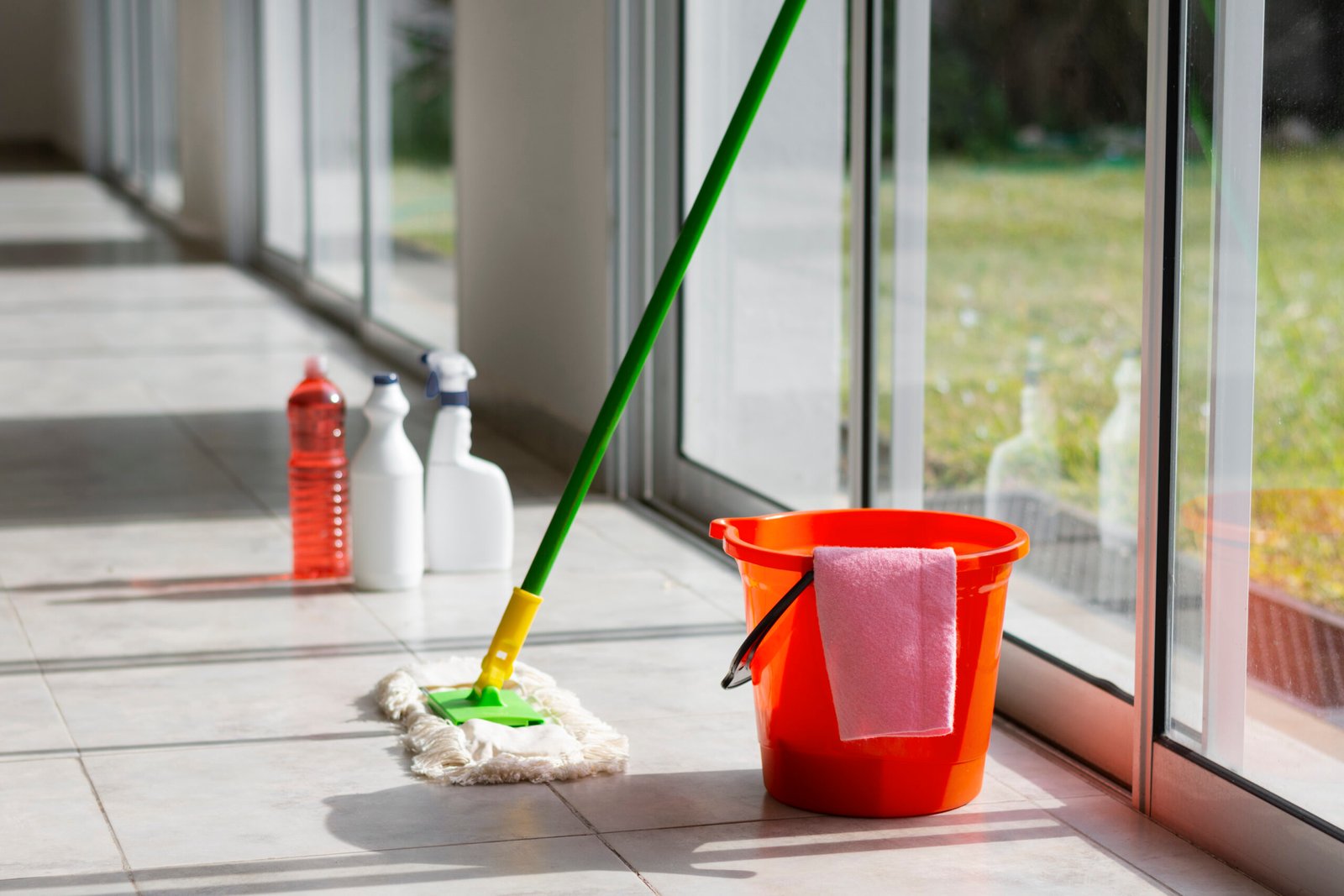
- Vacuuming and mopping floors
- Cleaning staff rooms and administrative areas
- Emptying general waste bins
- Cleaning doors, handles and switches
- Spot-cleaning glass and internal surfaces
- Cleaning sinks and other designated clinical-area surfaces
- Restocking agreed bathroom and hygiene supplies
The scope should always be agreed upon before cleaning begins because a GP clinic, dental practice, physiotherapy centre and specialist medical practice may have different requirements.
Treatment and Consultation Room Cleaning
Treatment rooms require more attention than a standard commercial workspace. Cleaning commonly focuses on accessible surfaces around treatment areas, furniture, sinks, handles, switches and other points that staff and patients regularly touch.
Professional cleaners should also understand which items fall within their responsibility. Medical equipment may require specific manufacturer-approved cleaning procedures and could need to be handled by trained clinical staff rather than a general cleaner.
Clear responsibilities help prevent equipment from being cleaned with unsuitable products.
High-Touch Surface Cleaning and Disinfection
High-touch points deserve particular attention because many people may contact them throughout the day.
These can include:
- Door handles and push plates
- Light switches
- Reception counters
- EFTPOS terminals where appropriate
- Chair arms
- Handrails
- Shared cupboard handles
- Bathroom taps and door locks
Cleaning removes dirt and organic material, while disinfection uses an appropriate disinfectant to reduce microorganisms on a cleaned surface. These processes are related but are not always interchangeable.
The Australian Commission on Safety and Quality in Health Care states that healthcare services should use suitable cleaning and disinfection processes, including products listed on the Australian Register of Therapeutic Goods where required and used according to manufacturers’ instructions.
Waiting Rooms and Reception Areas
Reception and waiting areas often experience some of the highest levels of traffic in a medical centre. Patients may touch chairs, counters, doors and shared surfaces before entering a consultation room.
Routine cleaning normally includes floors, furniture, reception surfaces, entry points and other accessible areas. Visible spills or contamination should be addressed promptly according to the facility’s cleaning procedures rather than simply left until the next scheduled clean.
A tidy waiting room also helps maintain a professional environment, but appearance alone is not enough. Healthcare cleaning should focus on hygiene as well as presentation.
Bathroom and Staff Area Cleaning
Bathrooms require regular attention because they combine frequent contact, moisture and multiple high-touch surfaces. Toilets, basins, taps, dispensers, door handles, floors and mirrors generally form part of the cleaning schedule.
Staff kitchens, break rooms and administrative areas also need routine cleaning. These spaces may be lower risk than treatment areas, but maintaining them reduces the chance of dirt and contamination being transferred around the facility.
How Often Should a Medical Centre Be Cleaned?
There is no single cleaning frequency suitable for every Adelaide medical facility. Frequency should depend on the room’s purpose, patient traffic, infection risk, procedures performed and how often surfaces are touched.
Australian healthcare guidance recommends that organisations develop local cleaning schedules based on risk. SA Health’s healthcare cleaning guidance also provides minimum cleaning frequencies and emphasises established cleaning schedules and monitoring.
For example, a busy waiting room may require attention more frequently than a low-use administration room. Treatment rooms may also require cleaning between certain activities as well as scheduled routine cleaning.
Why Medical Cleaning Is Different From Standard Office Cleaning
A medical practice cannot always be treated like an ordinary office. Healthcare environments need greater attention to infection prevention, cleaning sequences, equipment separation, disinfectant use and higher-risk surfaces.
A cleaner working in these environments should understand cross-contamination risks. Using separate equipment or colour-coded cleaning materials for different areas can help prevent contaminants from being transferred from bathrooms to clinical or general spaces.
AussieBrite Services can tailor cleaning tasks around the layout and working hours of an Adelaide medical centre rather than applying the same checklist used for every commercial property.
Practical Steps Your Medical Centre Can Take
Professional cleaning is only one part of maintaining a hygienic workplace. Your team can also help by cleaning spills promptly, keeping treatment areas uncluttered, following hand hygiene procedures and reporting surfaces or equipment that need attention.
You should maintain a documented cleaning schedule so staff and cleaners know who is responsible for each task. Current Australian healthcare standards also support documented schedules, staff training and auditing of cleaning practices.
Frequently Asked Questions
Does medical centre cleaning include disinfecting surfaces?
Yes, where appropriate. Cleaning generally removes dirt and contamination first, while approved disinfectants may then be used on surfaces requiring disinfection according to the facility’s procedures and product instructions.
Can medical centres be cleaned after business hours?
Yes. Many practices arrange medical center cleaning Adelaide outside consulting hours to minimise disruption to patients and staff. The schedule can depend on access arrangements and the frequency of cleaning required.
Are hospital-grade disinfectants always required?
Not necessarily for every surface or task. The cleaning product should suit the identified risk, surface and facility procedure. Healthcare services should follow current Australian infection-control guidance and manufacturer instructions.
How is medical cleaning different from normal commercial cleaning?
Medical cleaning places greater emphasis on infection risks, high-touch surfaces, treatment areas, suitable disinfectants, documented procedures and preventing cross-contamination.
When to Call a Professional
Consider professional medical center cleaning Adelaide if your practice needs scheduled clinical-area cleaning, frequent high-touch surface cleaning, documented tasks or a cleaning program designed around healthcare environments.
AussieBrite Services provides cleaning support for medical and commercial facilities in Adelaide. Contact AussieBrite Services to discuss your centre’s rooms, operating hours and cleaning requirements so an appropriate schedule can be arranged.
Conclusion
Effective medical center cleaning Adelaide covers far more than vacuuming floors and emptying bins. It can include treatment rooms, waiting areas, reception spaces, bathrooms, staff areas and frequently touched surfaces, with cleaning frequency based on the risks and activities within your facility.
A clear schedule, correct cleaning methods and defined responsibilities make it easier to maintain a hygienic medical environment. If your Adelaide practice needs regular professional cleaning, contact AussieBrite Services to discuss a cleaning plan suited to your facility.