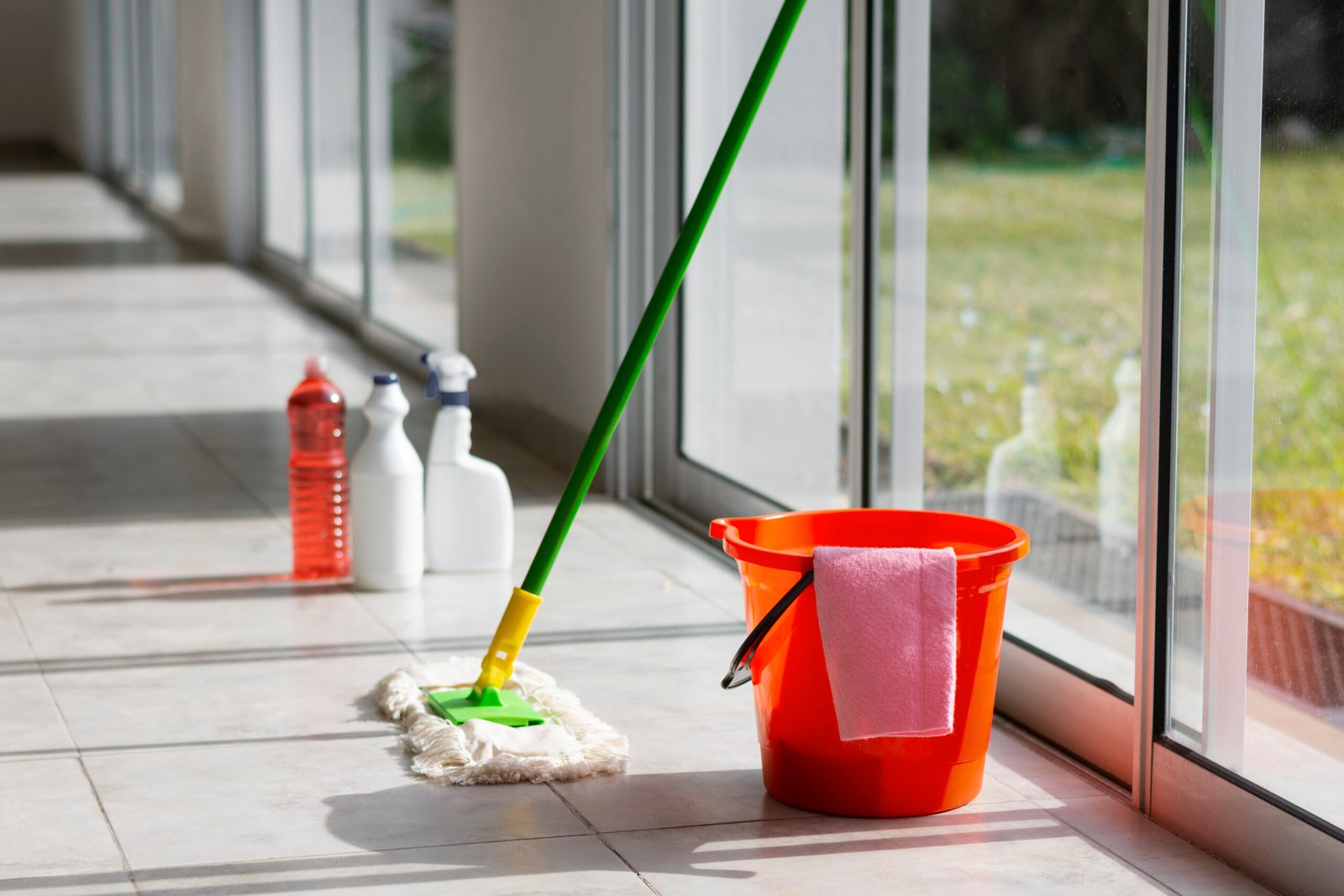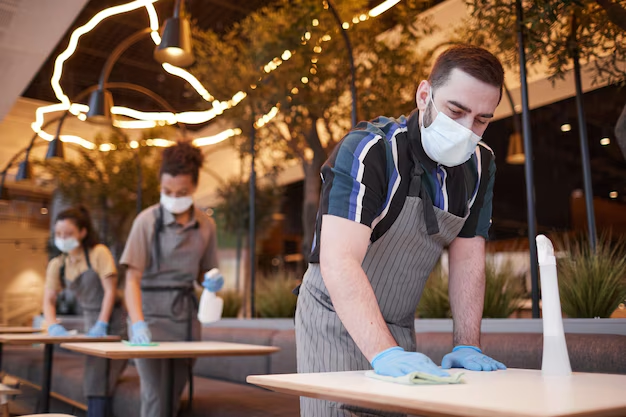
Keeping a primary school cleaning routine in place is about more than just shining floors it’s about kicking germs to the curb before they make your child sick. Imagine walking into a warm, sunlit classroom that looks spotless and smells fresh. That feeling of “wow, this place is well cared-for” also means germs have fewer places to hide. A well-cleaned school environment protects kids’ health and keeps attendance up. Children share toys, pencils, lunchboxes, and plenty of handshakes, unknowingly helping germs travel from desk to playground to home. Regular primary school cleaning routines are the secret weapon to break this cycle.
When you think primary school cleaning, picture a team of friendly guardians battling invisible germs every day. It’s like housekeeping with a mission: desks, chairs, door handles, light switches, lunch trays and even keyboards all need a wipe or spray.
According to Australia’s health authorities, daily cleaning is essential, especially when it comes to primary school cleaning. For example, the WA Department of Health notes that “cleaning with detergent and water, followed by rinsing and drying will remove the bulk of germs from surfaces”. The National Health and Medical Research Council similarly highlights that “routine environmental cleaning should be done daily” in childcare and school settings. In simple terms: clean often, clean well.
Daily Primary School Cleaning Routines
Every school is different, but some cleaning tasks are non-negotiable. Think about what staff or students touch most. Wipe these down every day with a suitable cleaner or disinfectant. Key items include:
- Desks and chairs: All those little handprints, spilled sandwiches and mystery stickers. Give them a quick spray-and-wipe or use disinfectant wipes on desktops and seats at day’s end. Primary school cleaning means no leftover crumbs or doodles on tables!
- High-touch surfaces: Doorknobs, light switches, computer keyboards and mice, water fountain buttons anything lots of hands reach for. These should all get a daily wipe with a disinfectant. The SCS Group stresses that targeting high-touch surfaces interrupts germ transmission.
- Bathrooms: Toilets, faucets, soap dispensers, and stall handles definitely need daily scrubbing as part of effective primary school cleaning. Bathrooms are germ hotspots; make sure to use bathroom-friendly disinfectants on all fixtures.
- Common areas: Hallway handrails, drinking fountains, and the playground equipment. Wipe or sanitize these at least once a day, or more often during flu season.
- Learning materials: Shared books, computers, tablets and art supplies. A light clean of classroom tech and books can lower germ loads. Pencil holders, globes, or common toys also get a weekly checkup with disinfectant.
These routine tasks are just like any house cleaning Adelaide tip turned up to 11 the whole building gets a once-over so kids can stay healthy.
Deep Cleaning and Seasonal Checks
In addition to daily wipes, primary school cleaning routines should include scheduled deeper cleans. For example, once a week or month: clean windows, vacuum carpets, mop floors thoroughly, and empty and sanitise trash bins. During long breaks, consider hiring professional deep cleaning services Adelaide to handle tasks like steam-cleaning carpets, polishing floors, and wiping walls.
Make a simple cleaning checklist table to keep track. For instance:
| Task | Frequency | Notes |
|---|---|---|
| Wipe desks & chairs | Daily | Use mild disinfectant; allow dwell time before wiping clean. |
| Disinfect high-touch spots | Daily | Door handles, light switches, keyboards, touchscreens. |
| Vacuum/mop floors | Daily/Weekly | Mop with soap/detergent; hot water on tiles if possible. |
| Clean bathrooms | Daily | Focus on toilets, taps, soap dispensers, and stall locks. |
| Empty trash bins | Daily | Replace liners; spray bin interiors with disinfectant if needed. |
| Clean cafeteria tables | Daily | After every lunch period, spray & wipe tables and chairs. |
| Dust shelves/toys | Weekly/Monthly | Remove clutter first; then dust or wipe with a damp cloth. |
| Windows and vents | Monthly | Clean dust from vents; wipe windows to let in clear air/light. |
Each school can tweak this to fit. The key is consistency: staff and cleaners know exactly who does what and when. A good checklist ensures no corner is forgotten.
Focus on High-Touch Areas
Kids constantly handle lots of shared stuff. As points out, “locker handles, cafeteria trays, gym mats and equipment, and bus railings” are all high-touch surfaces that need regular cleaning. In practice, that means:
- School library and computer lab: Clean keyboards, mice, book covers, and bench surfaces regularly. If many classes share these, disinfect them at least weekly.
- Art and science rooms: Wipe down tables after messy projects. Clean tools like scissors, paintbrushes or science kits after use. Remember, even water taps and experiment stations can be germy.
- Playground & PE gear: Though outdoor play is less prone to viral spread, equipment like sports balls and indoor PE mats should be disinfected periodically, especially in cold/flu season.
- Office and staff areas: While not classrooms, office cleaning Adelaide standards apply. Don’t neglect staff rooms and admin desks germs follow teachers home too. Keep the school office as tidy and disinfected as the rest of the school.
By identifying and focusing on these hotspots, you pre-empt the biggest germ reservoirs in primary school cleaning. One clever tip from professional cleaners: always clean top-to-bottom and dry-to-wet. Start with dusting shelves, then wipe desks, ending with floors. Change clothes between areas.
Choosing the Right Cleaning Products
Not all cleaners are created equal, especially when it comes to primary school cleaning. According to the Australian Government Department of Health and Aged Care, schools should use products that are proven to kill germs and reduce the spread of illness.
In Australia, use hospital-grade or school-grade disinfectants that are TGA-approved for virus-killing claims. The Therapeutic Goods Administration (TGA) mandates that any disinfectant claiming to kill a virus must have permission to do so. In other words, pick a label that lists viruses on it. Bleach solutions, alcohol-based sprays, or disinfectant wipes labeled for coronavirus/flu are all good choices.
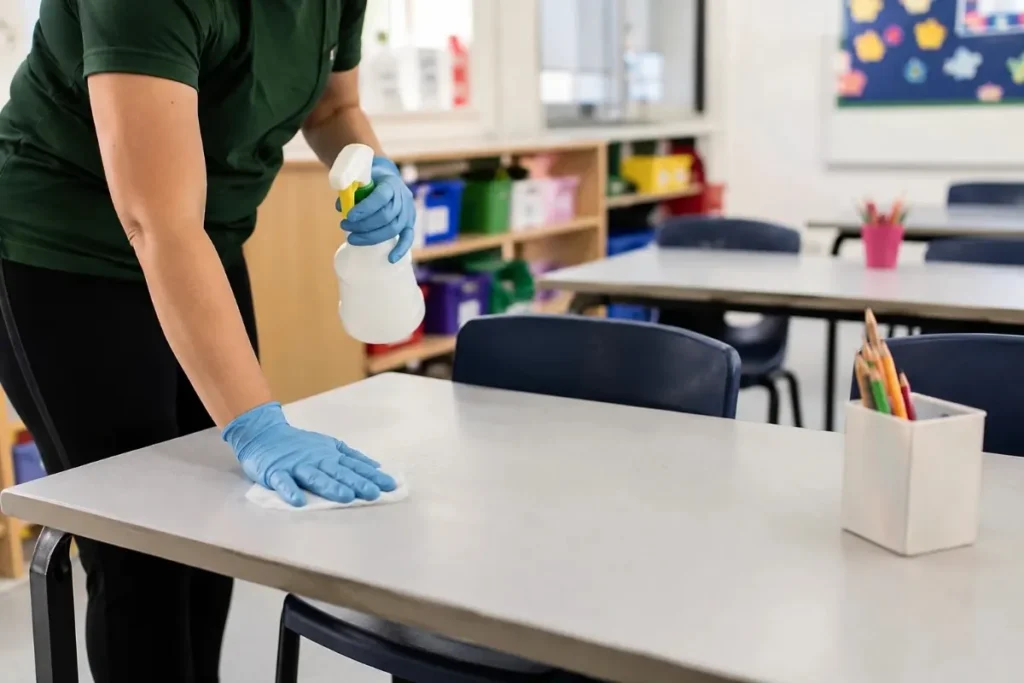
Pro tip: After spraying a disinfectant, let it sit for the time specified on the label before wiping. This gives it a chance to really kill the germs, instead of just moving them around. Also, avoid mixing products that can release toxic fumes. When in doubt, follow the manufacturer’s instructions.
Gentle, Kid-Friendly Habits
While big cleaning tasks mostly fall to staff and contracted cleaners, primary school cleaning also involves teachers and students pitching in small ways. For instance, placing hand sanitizer stations at classroom doors and teaching kids to “sanitise on the go” helps a lot. Encourage everyone to wash hands properly.
Having tissues and pedal bins in each room means sneezes and boogers don’t spread. The Australian Education site reminds us standard precautions include covering coughs, not sharing personal items, and basic hygiene alongside cleaning.
In a fun, relatable approach: imagine explaining germs as tiny hitchhikers. When a child sneezes, those hitchhikers settle on a desk. A second child touches the desk and then their face; they’re gone for a ride. But if we both wipe down desks and teach not to touch faces, those hitchhikers miss the bus. It’s about breaking the chain .
By keeping classrooms clean and windows open for fresh air, primary school cleaning helps stop outbreaks before they start. Studies even show improved ventilation and hygiene practices together cut COVID risk.
Ventilation and Beyond
Cleaning is king, but it plays best with allies like fresh air. In primary school cleaning, South Australian schools have learned that maximising natural ventilation is among the most effective ways to reduce airborne spread. So open some windows, break outside the routine with outdoor lessons, or run exhaust fans. A clean classroom with stale air is only half a win. Combine cleaning with good ventilation and regular hand hygiene, and the whole strategy locks down germs on multiple fronts.
Conclusion
At the end of the day, primary school cleaning is about creating a healthy learning space. It means daily love on desks, smart use of disinfectants, and focusing on the icky spots germs love. By following these tips and treating school spaces like you treat your own home’s hygiene, you dramatically cut sick days and keep kids on track. Think of it as investing in your school’s future: a tidy classroom fosters sharp, happy students.
Ready to roll up your sleeves Start with one checklist item today, maybe wipe that old lunchroom table or order disinfectant wipes. Share these tips with your school community and make a cleaning game of it. After all, every germ you stop is one less absent student.