A clean healthcare environment is one of the most important defences against the spread of harmful bacteria, viruses, and other infectious diseases. Medical center cleaning goes far beyond ordinary commercial cleaning because every surface, treatment room, and waiting area can become a potential source of cross-contamination if not properly disinfected.
By following strict cleaning protocols, using hospital-grade disinfectants, and paying close attention to high-touch surfaces, healthcare facilities can significantly reduce infection risks while creating a safer environment for patients, visitors, and medical staff.
Effective medical center cleaning requires a systematic approach that combines trained cleaning professionals, evidence-based infection control practices, and regular sanitation schedules.
From reception areas and consultation rooms to surgical suites and restrooms, every space must be cleaned according to healthcare standards to maintain hygiene and regulatory compliance. Investing in professional medical center cleaning not only helps prevent healthcare-associated infections (HAIs) but also improves patient confidence, protects staff wellbeing, and supports the overall reputation of the healthcare facility.
Why Cleanliness Matters in Medical Centers
In a clinic, medical center cleaning and staying clean isn’t optional it’s essential for health. Tiny microbes can linger on any surface, from countertops to chairs. So I tackle exam tables, door handles, and waiting-room seats with hospital-grade disinfectant, wiping those germs away. We’ve learned firsthand that a spotless room is a sign someone takes hygiene seriously.
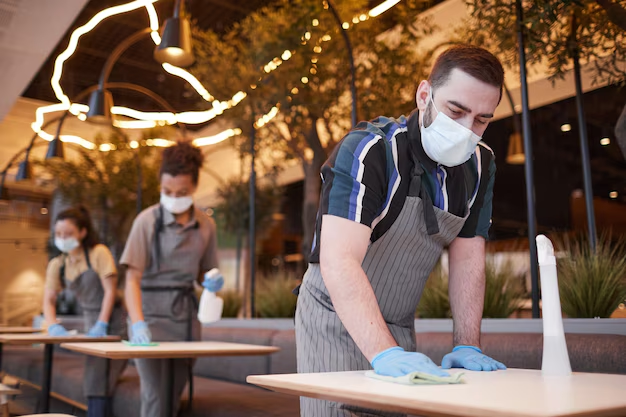
Hotspots like light switches, keyboards, and door handles in medical center cleaning collect bugs fast. Routine medical center cleaning should happen daily and whenever something looks grimy or gets contaminated. This means wiping down benchtops, screens, and seats regularly, and laundering linens often. Even staff kitchens and bathrooms need daily attention if something feels dirty, it probably is, and cleaning it right away keeps nasties from spreading.
Effective Cleaning Schedules and Protocols
A smart cleaning plan is like a well-oiled machine. Medical center cleaning ensures each room, hallway, and waiting area gets its turn on the schedule. Critical zones might get wiped multiple times a day, while lower-traffic offices might be done once daily. It’s the same logic behind primary school cleaning, where classrooms with busy kids need extra care. Medical center cleaning helps maintain consistent hygiene standards throughout the facility.
You know what We love? Checklists and clear schedules. Many Adelaide clinics follow strict standards and even use apps for time-stamped proof of cleaning. The South Australian Health cleaning toolkit suggests mapping out every area and noting how often it gets cleaned. Even a small private clinic can mimic these guidelines to set the bar high. Whether it’s a public clinic or private medical center cleaning, a custom medical center cleaning plan ensures nothing is missed.
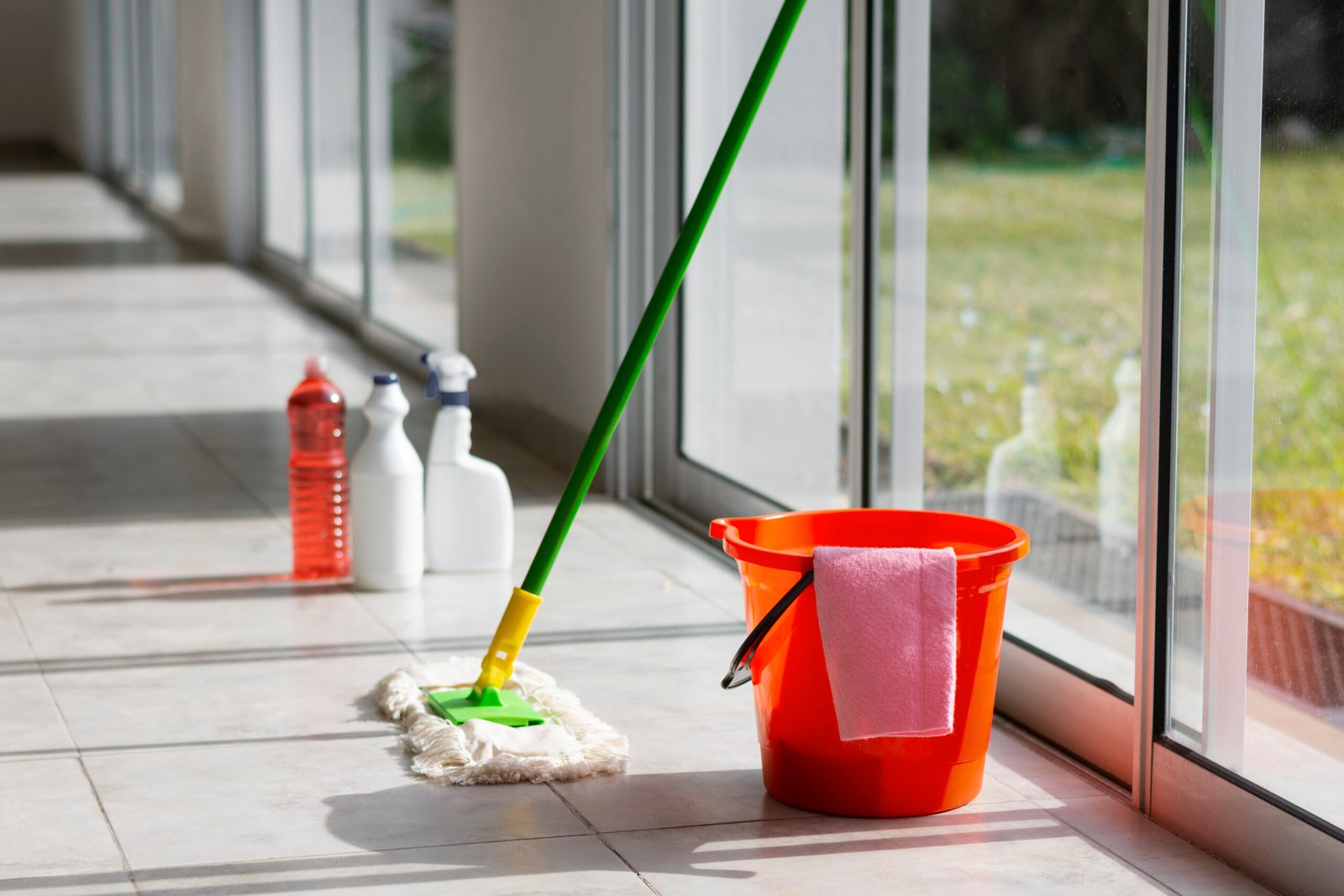
When it’s go-time, suit up with gloves and go room to room, top-to-bottom. Fresh gloves for each room and a fresh bucket of detergent and disinfectant that’s golden.
If there’s a spill or bodily fluid, I handle it immediately; no waiting until later. We scrub surfaces in a medical center cleaning pattern so no spot is skipped. These habits show how seriously we take infection prevention during medical center cleaning. After all, we want you to walk into a clinic and breathe easy, knowing it’s been cleaned from ceiling to floor, leaving nothing to chance.
Choosing the Right Tools and Products
Not all cleaners and sprays are equal. For real peace of mind, only hospital-grade disinfectants will do for medical center cleaning. These powerful solutions are approved to kill tough bugs. I also won’t double-dip with a dirty mop head; each zone has its own colour-coded gear for effective medical center cleaning. This way, a cloth used in the loo never tours the exam room.
The essentials for top-notch medical center cleaning include:
- Hospital-grade disinfectant: TGA-listed sanitiser for hard surfaces.
- Microfiber cloths: Reusable, colour-coded towels and mop heads that trap dust and bacteria effectively.
- Disposable gloves and PPE: Change gloves between rooms and wear masks/eye protection when needed.
- HEPA vacuum cleaner: In carpeted areas, a HEPA vacuum scoops up tiny particles instead of blowing them around.
- Hand sanitiser stations: Placed by doors and waiting areas so staff and visitors can clean hands easily.
We also make it a point to clean first, then disinfect. We wipe surfaces with detergent or soap solution before applying the stronger disinfectant spray exactly what health experts recommend.
And if you prefer “green” options, no worries just check that any eco-friendly product is certified for healthcare use. Some clinics use peroxide-based or plant-derived disinfectants that are non-toxic yet effective. Just be sure your chosen product meets Australian health standards. We all love fresh air and fewer chemicals, but never at the cost of leaving germs alive.
Training, Compliance and Quality Checks
Here’s the truth: even the best cleaning plan fails if the team isn’t on board. That’s why training is key. I always ensure anyone wielding a mop in the clinic knows the fundamentals of infection control like why we wear gloves and how to dispose of sharps safely during medical center cleaning. Staff should learn to handle chemicals correctly and know what to do in a spill emergency. It’s standard to wear clean uniforms each day and avoid cross-contamination.
In Adelaide, medical center cleaning clinics often follow national health standards. The RACGP (Royal Australian College of General Practitioners) accreditation expects documented cleaning routines for accreditation. Some tech-savvy places even use ATP swab tests or UV lights to verify surfaces are really clean.
We tend to trust my eyes, but these extra checks provide extra peace of mind. Another tip: consider appointing a cleaning supervisor who does spot-checks after each round. I’ve used digital logs that time-stamp and photo-proof each cleaned area, so nothing slips through the cracks. These checks support Infection Prevention and Control , prevent sloppy oversight, and make sure your clinic lives up to every hygiene promise.
Extending Principles to Schools and Daycares
You might wonder: what does this have to do with schools or daycare? Actually, the same germ-fighting rules apply. In fact, Australian guidelines like NHMRC’s Staying Healthy recommend daily cleaning and immediate response to spills in child care centres, just as medical center cleaning follows strict hygiene protocols.
So whether it’s a paediatric clinic, a daycare cleaning service, or childcare cleaning services for nurseries, the target is the same: break the chain of germs. Medical center cleaning follows the same principle. Think of it this way: children in schools share toys and tables much like patients share exam rooms. Good habits keep everyone healthier.
Even if your main focus is medical, these tips fit if you run multiple sites. Consistent commercial cleaning practices can span a GP clinic, an office block, and a school. (Learn more in our Commercial Cleaning guide.) When everyone from preschoolers to patients follows thoughtful cleaning routines, the whole community wins. Adelaide’s weather can be dry or dusty at times, so a solid cleaning routine pays dividends year-round. Local health departments even stress that wiping surfaces daily and using proper products are simple yet powerful ways to keep infections down.
Conclusion
Keeping a medical center spotless is like running an invisible force field around your community. It demands solid planning, the right products, and a dedicated team. But when you get medical center cleaning right, everyone wins: fewer sick patients, safer staff, and a reputation for excellence.
Now is the time to step up your cleaning game. Whether you just need a custom checklist or full-service support, professional experts are ready to help you implement these infection-prevention strategies.
Ready to turn your clinic into a germ-free zone? Don’t do it alone, get in touch with our team. Let’s make your Adelaide medical centre gleaming and health-ready. Your patients will breathe easier knowing you’ve covered every base.
Frequently Asked Questions
Why is medical center cleaning so important?
Proper medical center cleaning kills germs that spread disease. A thorough clean of exam tables, floors, and other surfaces stops viruses and bacteria from jumping to the next patient or staff member. In a clinic environment, even a small missed spot can be a breeding ground for infection. So cleaning isn’t just about looks it’s a critical step to protect everyone’s health.
How often should a medical clinic be cleaned?
High-touch areas (doorknobs, counter tops, keyboards, etc.) should be disinfected multiple times a day—often after each patient. Other areas follow a schedule: for example, waiting rooms and offices get a daily clean, while bathrooms and kitchens may need cleaning several times a day. In practice, a good rule of thumb is: every surface that’s used a lot gets wiped at least once per day, and urgent messes get cleaned immediately.
Do I need a special cleaning company for a clinic?
It’s highly recommended. Medical center cleaning requires staff trained in infection control, not just any cleaner. Professional cleaning companies use hospital-grade disinfectants, follow strict protocols, and usually carry insurance and background checks. They know to change gloves and mop heads between rooms, wear masks if needed, and handle waste properly. This level of care is above a regular office clean – it’s about compliance and safety.
Are there official guidelines for medical center cleaning?
Yes. Australia has infection-control guidelines for healthcare facilities. For instance, government health resources advise clinics to follow infection prevention protocols, including cleaning frequency and product standards. Clinics often align with these guidelines (and RACGP accreditation requirements) to make sure they meet national standards. In short, official guides stress things like daily surface cleaning and proper disinfectant use – exactly what we’ve been talking about here.
What’s the difference between cleaning and disinfecting?
Great question! Cleaning is the first step: it physically removes dirt, dust, and organic matter using soap or detergent. Disinfecting comes next; it uses chemicals to kill the germs left on the surface. Think of it like washing a table then spraying it with disinfectant. In medical center cleaning, we always clean first and disinfect second. This two-step approach makes sure the disinfectant works at its best.
How does medical center cleaning differ from regular office cleaning?
In clinics, the standards are much higher. You need stronger products (hospital-grade), and you often clean more frequently (sometimes between every patient). Cleaners in medical settings wear full PPE and follow documented protocols. They also focus on extra spots like exam tables and medical equipment. Regular office cleaning might skip some of these details. Basically, a clinic clean is a clinical procedure itself – thorough, well-documented, and geared towards preventing sickness.
Is medical center cleaning expensive?
The investment is worth it. While professional medical cleaning costs more than a basic clean, it greatly reduces the risk of outbreaks and staff sick days. Think of it this way: preventing just one infection can save far more than the cost of cleaning. When budgets are tight, consider the long-term payoff – healthier patients, fewer liabilities, and a strong reputation for hygiene. It’s an investment in your clinic’s success and your community’s well-being.