Ever stepped into a doctor’s clinic in Adelaide and wondered how it stays so clean? You probably wouldn’t, but trust us every spotless surface and squeaky floor has a story. I still remember sneaking into a local clinic at dawn: the cleaning crew was already at work, masked up like medical ninjas, whispering pleasantries as they waged an unseen war on germs.
It’s these medical centre cleaning services that turn a potentially germ-infested space into a safe, welcoming environment. Whether you’re waiting for a flu jab or a check-up, their careful work means you breathe easy literally and figuratively.
Medical centres are loaded with vulnerable people, infants, elderly folk, folks fighting infections. That’s why Adelaide clinics hire specialized cleaning teams rather than leave it to chance. Infections can spread faster than gossip, so infection control is non-negotiable.
In fact, national healthcare standards insist on robust cleaning routines. The Australian safety commission bluntly says, “environmental cleaning is a critical element” of infection control. In other words, keeping the clinic germ-free isn’t just about appearances, it’s a core part of patient safety.
Behind the Scenes: Daily Cleaning Routines
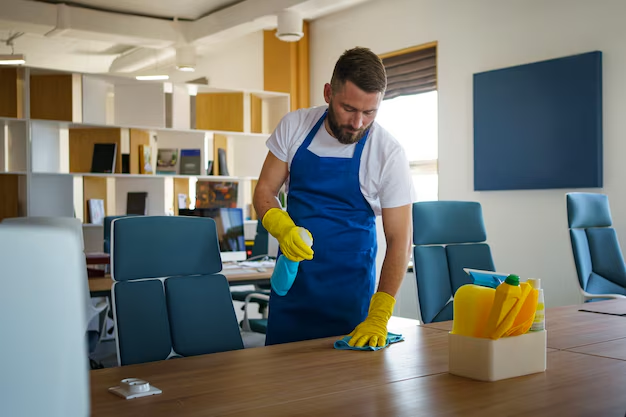
Ask any cleaner, and they’ll tell you: cleaning a medical centre is a bit like conducting an orchestra; everything must happen in the right order. Early in the morning , crews arrive when most people are still in bed.
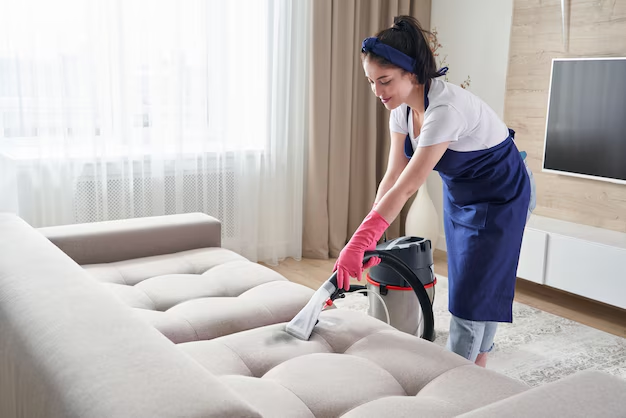
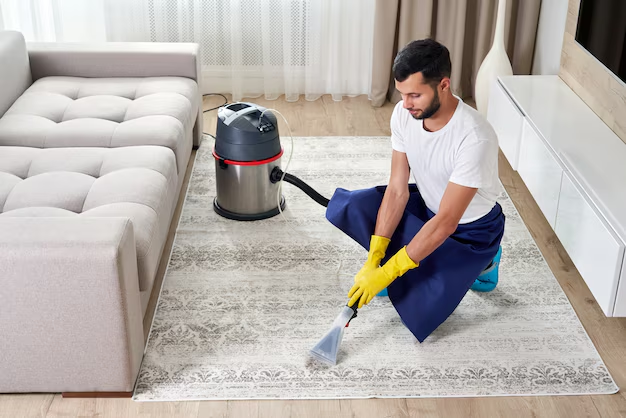
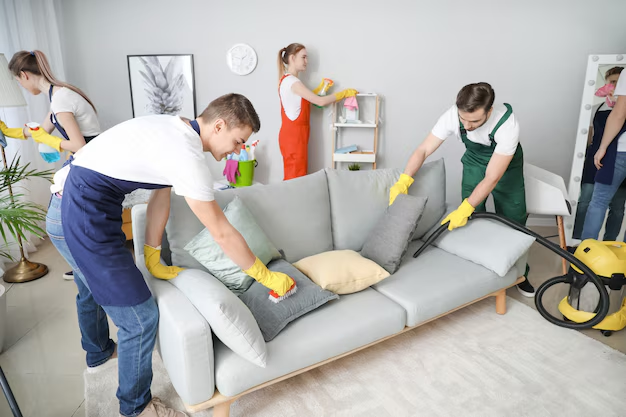
They don their gloves, masks, and all the gear ready to tackle every nook and cranny. A typical routine involves wiping down desks, doorknobs, chairs, and medical equipment; emptying bins; vacuuming or mopping floors; and restocking hand sanitizer and soap dispensers.
It might sound simple, but each step in medical centre cleaning services follows strict protocols. For example, experts insist on cleaning “from cleaner to dirtier areas” to avoid dragging germs around. That means they start with walls or high surfaces and work downward to countertops, sinks, then finally the floors, ensuring any dust or microbes fall away from already cleaned spots. It’s a bit like tidying your room from top shelves to the floor so nothing you cleaned gets dirty again.
Germs don’t float around randomly. They love busy spots. Anywhere hands touch, people sit, or equipment moves becomes a quiet hotspot. That’s why professional medical centre cleaning services focus on specific areas more than others. To make it easy to understand, here’s a quick snapshot of where germs hide and how Adelaide clinics keep them under control.
| Area of Medical Centre | Why It’s High Risk | Cleaning Method Used | Cleaning Frequency |
| Waiting Rooms | High foot traffic, shared seating, coughing patients | Hospital-grade disinfectant, chair and table wiping, floor mopping | Multiple times daily |
| Consultation Rooms | Direct patient contact, medical tools in use | Surface disinfection, equipment wiping, bin sanitisation | After every patient |
| Reception Desks | Constant hand contact, paperwork handling | Alcohol-based wipes, touchpoint cleaning | Hourly or as needed |
| Bathrooms & Toilets | Moist areas where bacteria spread fast | Strong disinfectants, deep scrubbing, odour control | Several times daily |
| Door Handles & Switches | Touched by everyone, rarely noticed | Targeted disinfectant wipes | Every 1–2 hours |
| Medical Equipment | Direct exposure to bodily fluids | Approved medical disinfectants, strict protocols | After each use |
| Staff Areas | Cross-contamination risk between rooms | General disinfecting, break area cleaning | Daily |
Tools of the Trade: Disinfectants and Equipment
Ever wonder why clinics use that distinct crisp-smell dispenser or glossy chemical bottles? Medical centre cleaning services rely on hospital-grade disinfectants as the secret sauce here. Unlike your average household cleaner, these solutions are rigorously tested to annihilate a wide spectrum of bugs, bacteria, viruses, and fungi.
They leave no chance for hitchhiking germs. According to health experts, removing “dirt and microorganisms” from surfaces reduces the risk of transmission to patients and staff. In plain terms: cleaner surfaces mean fewer infections.
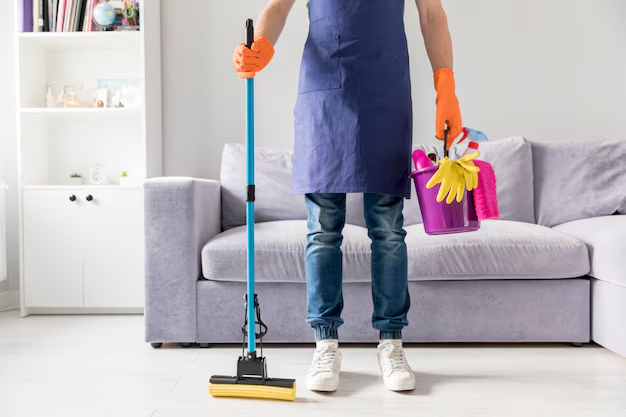
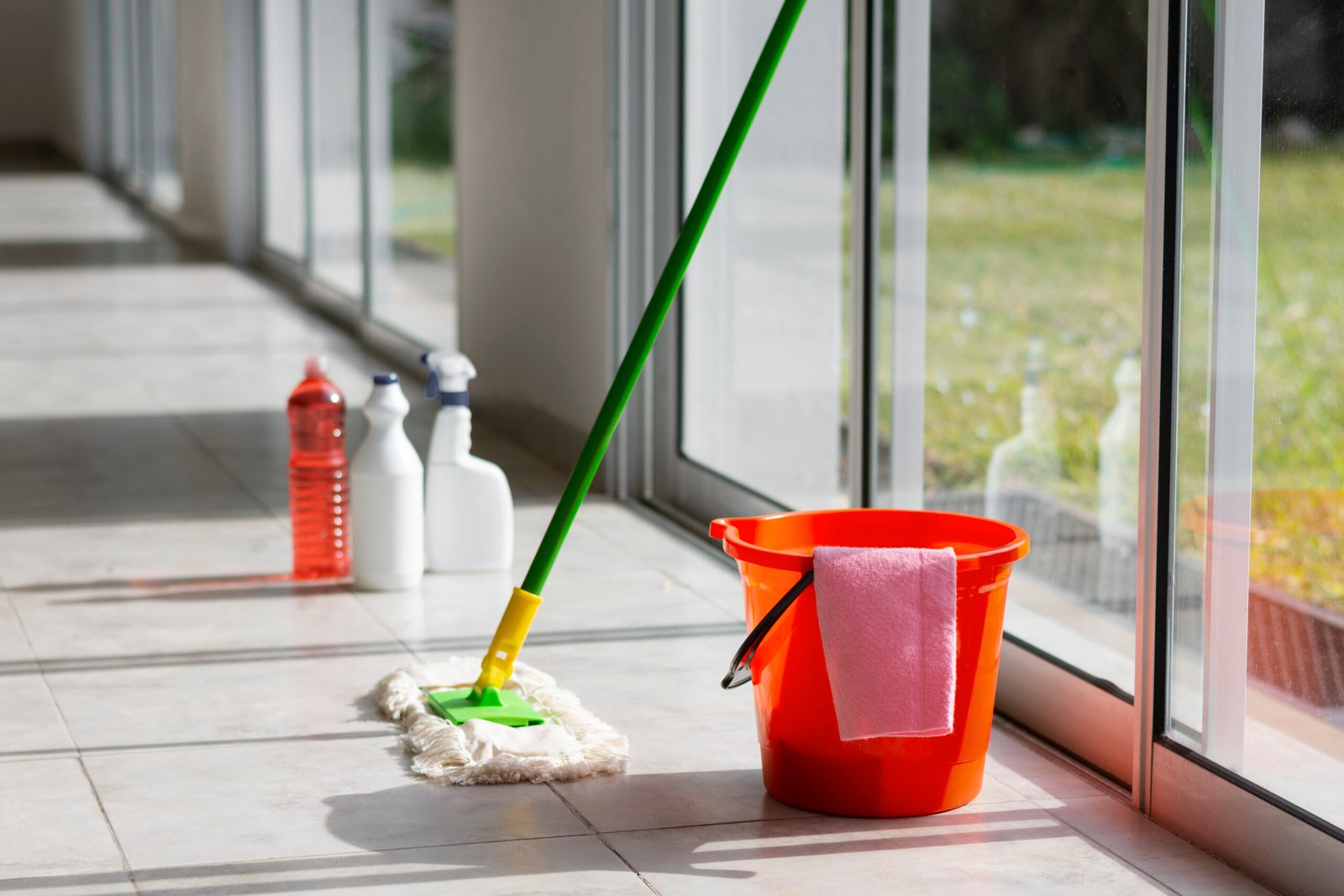
Besides chemicals, cleaning crews employ high-tech gadgets and smart tools. Microfiber cloths and mop heads are standard, because their fine fibers trap tiny particles better than cotton.
Many places also color-code their cleaning cloths, say, red for bathrooms and blue for general areas to prevent cross-contamination between zones. Medical centre cleaning services in some cutting-edge Adelaide centres even use UV light carts or electrostatic sprayers as a backup.
These devices zap lingering pathogens with ultraviolet rays or fogging disinfectants. But importantly, guidelines caution that these should only complement, not replace, hands-on cleaning. In other words, no matter how fancy the gadget, it comes after a good old-fashioned scrub and wipe.
Hot Spots: Fighting Germs Where They Lurk
Not all surfaces are created equal. High-touch zones where people constantly place their hands demand extra love. Doorknobs, light switches, lift buttons, reception counters, and even waiting room chairs are on the top-10 priority list. Those germ-warm areas get wiped multiple times a day. Here’s a quick look at some targets:
- Doorknobs and Handles: The classic germ highway. Every person who touches it needs it cleaned.
Hand Sanitizer and Soap Dispensers: Irony alert – dispensers themselves can harbor germs if neglected. - Waiting Room Furniture: Chairs and tables where dozens sit and drop phones, keys, papers.
- Touch Screens and Keyboards: Even your clinic’s check-in tablet or keyboard gets sanitized to keep viruses at bay.
Each item is tackled with appropriate disinfectant, sometimes a bleach-based solution for toilets or an alcohol wipe for electronics.
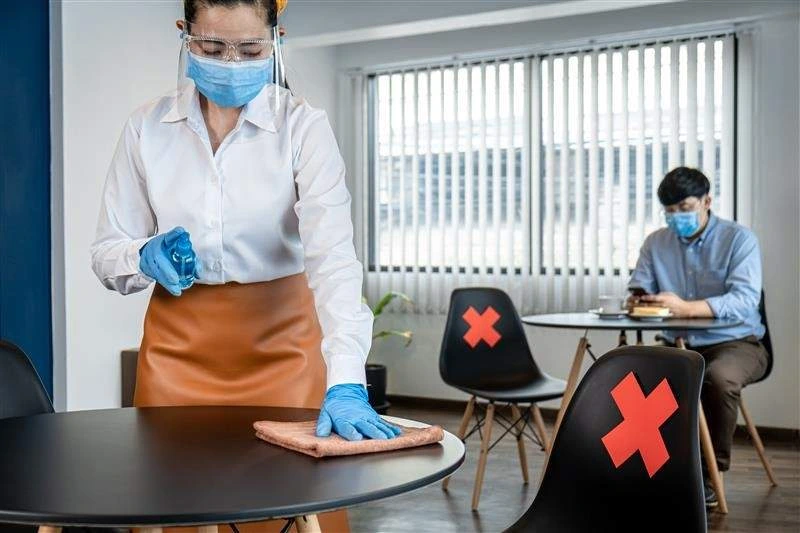
The cleaning crew often uses checklists to ensure nothing’s skipped. In medical centre cleaning services, these focus zones are not afterthought; cleaning professionals pay them special attention to break the chain of transmission before it ever starts.
The People Behind the Clean
The magic isn’t in the mop alone it’s in trained professionals who wield it. Cleansers working in medical centres undergo special training in infection control, quite apart from a home cleaner or office janitor.
They learn the latest health guidelines and even get inducted on-site. They know, for example, that you always remove gloves and sanitize your hands between rooms, and that cleaning one room’s restroom after another without changing equipment is a big no-no. Some teams have nurses or infection-control nurses supervising to make sure standards are met.
Think of them as stealthy ninjas of cleanliness: they enter your patient zone dressed in scrubs or uniforms, equipped with PPE , and leave no trace of their work except gleaming surfaces and the faint scent of disinfectant. Many companies maintain audit logs basically cleaning diaries so they can prove a ward got cleaned at 2 PM, a restroom at 3 PM, etc.
If anyone ever questions why the lobby is so tidy, they simply check the record. This transparency and professionalism turn medical centre cleaning services into a trust-building feature, not just another expense.
Adelaide Standards and Compliance
It’s worth noting that Adelaide’s clinics don’t operate on a whim. South Australia follows national guidelines that rigorously define how cleaning must be done. The Australian Guidelines for the Prevention and Control of Infection in Healthcare essentially set the playbook. As that NHMRC resource explains, “effective infection prevention and control is central to providing high quality healthcare”.
These standards trickle down into local rules: the SA Health Cleaning Standards document details every frequency and method for each area, from ORs to offices. In fact, the Cleaning Standard aims to make healthcare spaces “free from foreign matter such as dust, dirt…”. Many cleaning companies in Adelaide highlight that they stay updated on all these health regulations and compliance requirements.
Put simply, whether a clinic is in suburban Modbury or downtown Adelaide, it’s following the same playbook as a major hospital. Medical centre cleaning services are typically accredited, insured, and sometimes even certified by health authorities to ensure they meet these onerous requirements.
So when your local GP’s office sparkles, thank not just the cleaners but the whole system ensuring every spec of dust is hustled out the door.
Conclusion: Safe Clinics, Happy Patients
At the end of the day, medical centre cleaning services are the unsung superheroes of Adelaide’s healthcare scene. They work odd hours, use powerful products, and follow strict protocols all so you don’t have to worry about the hygiene at your clinic. By sticking to expert routines and standards, they drastically cut down the chance of germs spreading.
So the next time you wash your hands before an appointment or enjoy the crisp smell of a clinic waiting room, spare a thought for the cleaning crew. Following standards such as the Australian Government – Cleaning and Disinfection for Health and Residential Aged Care, they’re the reason you can focus on your health and not on what lurks on the floor.
Whether you’re a clinic manager or a curious patient, remember: a germ-free environment is no accident. Trust professional medical centre cleaning services, keep surfaces sanitized, and maybe give that hidden cleaner a wave next time you see them. Got more questions? Contact your local medical cleaning team and they’ll be happy to explain their process. Stay healthy, Adelaide!