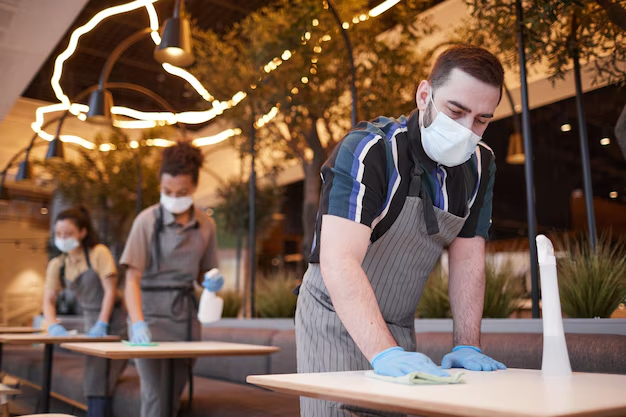
Daycare centres need more than a quick tidy-up at the end of the day. Children spend long periods playing, eating, resting and learning in shared spaces, which means floors, toys, tables, bathrooms and frequently touched surfaces can collect dirt and germs quickly. A consistent cleaning routine helps keep these areas presentable while supporting everyday hygiene.
Professional daycare cleaning services can be structured around the way a centre operates. Instead of applying the same routine used in a house or ordinary office, cleaners need to consider play areas, nap rooms, food preparation spaces, toilets, nappy-changing areas and outdoor resources. The cleaning schedule should also allow staff to continue supervising children without unnecessary disruption.
For centres in Adelaide, a planned approach to daycare cleaning services can make daily maintenance easier to manage. It can also provide a clear system for regular cleaning, high-touch surface care, waste removal and deeper cleaning tasks.
Why Is Regular Daycare Cleaning Important?
Young children regularly touch floors, toys, furniture, doors and other shared items. They may then touch their faces, eat food or interact with other children. This makes routine environmental hygiene an important part of maintaining a childcare setting.
The Australian Government’s Staying Healthy resource is designed to help early childhood education and care services reduce the spread of infectious diseases through practical hygiene measures. Its guidance covers areas such as hand hygiene, cleaning and environmental health.
This is one reason daycare cleaning services should focus on more than visible dirt. A room may look tidy while high-touch areas still need attention.
A regular cleaning programme can cover:
- Floors and carpets
- Tables and chairs
- Door handles and switches
- Toys and play equipment
- Bathrooms and toilets
- Nappy-changing areas
- Kitchen and food preparation areas
- Staff areas
- Sleeping and quiet rooms
- Waste bins
- Windows and accessible glass
- Outdoor play equipment
The exact cleaning frequency can vary according to the size of the centre, number of children, activities and facility layout.
Which Areas Need the Most Attention?
Not every part of a daycare centre becomes dirty at the same rate. High-use areas normally need more frequent attention than spaces that are used occasionally.
1. Play Areas
Playrooms can contain toys, mats, shelves, tables and other equipment that children handle throughout the day. Cleaning should cover both visible surfaces and frequently touched items.
Hard surfaces can be cleaned using an appropriate detergent and cleaning method. Washable toys should be handled according to their material and manufacturer’s instructions.
2. Bathrooms
Toilets, sinks, taps, floors, door handles and other bathroom surfaces need regular cleaning. These areas should be checked throughout the day rather than relying entirely on an evening cleaning routine.
Professional daycare cleaning services can include scheduled bathroom cleaning as well as additional attention when spills or other incidents occur.
3. Nappy-Changing Areas
Nappy-changing spaces require careful cleaning because they can be exposed to body fluids and contaminated materials. Cleaning staff should follow the centre’s established hygiene procedures and use suitable products for the surfaces being cleaned.
The area should be kept organised, clean and free from unnecessary items.
4. Food Preparation Areas
Kitchens, benches, sinks, tables and eating areas require a different cleaning approach from general play spaces. Food-related areas need to be cleaned in a way that supports good hygiene and prevents cross-contamination.
Commercial or professional daycare cleaning services can separate cleaning equipment and procedures according to the areas being serviced.
What Should a Daycare Cleaning Checklist Include?
A written checklist can help make cleaning more consistent. It also gives centre managers a simple way to identify which tasks are completed daily, weekly or periodically.
| Daycare Area | Routine Cleaning | Deeper Cleaning | Key Focus |
|---|---|---|---|
| Playrooms | Floors, surfaces, toys | Shelving, corners, detailed toy cleaning | High-touch areas |
| Bathrooms | Toilets, sinks, floors | Grout, walls and hard-to-reach areas | Hygiene |
| Nappy area | Surfaces and floor | Detailed sanitation | Body-fluid hygiene |
| Kitchen | Benches, sinks, floors | Appliances and cupboards | Food-area cleanliness |
| Dining area | Tables, chairs, floors | Detailed surface cleaning | Food residue |
| Sleeping room | Floors and surfaces | Mattresses and accessible fittings | Dust and cleanliness |
| Entry area | Floors and handles | Glass and detailed cleaning | High traffic |
| Outdoor area | Accessible surfaces | Equipment and detailed areas | Dirt and debris |
| Staff room | Surfaces and floors | Cupboards and corners | General hygiene |
| Waste area | Bin handling and surrounding surfaces | Detailed wash-down | Odour and cleanliness |
A checklist should not be treated as a fixed template for every facility. The centre’s layout, activities and operating hours should determine the final schedule.
How Often Should Daycare Cleaning Be Done?
There is no single cleaning frequency that suits every childcare facility. A small centre with limited facilities will have different requirements from a larger centre with several rooms and outdoor play areas.
Daily cleaning normally covers areas that receive constant use. This can include toilets, floors, eating surfaces, high-touch points and frequently handled equipment.
Some areas may require cleaning between uses or after a spill. Other tasks, such as detailed window cleaning, wall washing, high-level dusting and thorough floor treatment, may be scheduled less frequently.
A practical daycare cleaning services plan can therefore be divided into several levels:
- Throughout the day: Address spills, visible contamination and urgent hygiene issues.
- Daily: Clean bathrooms, floors, common surfaces and regularly used areas.
- Weekly: Focus on detailed areas that may not require daily attention.
- Periodic: Complete deeper cleaning of equipment, fixtures and difficult-to-reach areas.
- As required: Increase cleaning following illness, spills or other contamination incidents.
The schedule should complement the centre’s own policies rather than replace them.
What Makes Childcare Cleaning Different From Office Cleaning?
Office cleaning and childcare cleaning may share some basic tasks, but the environments are very different.
An office may mainly require desk, floor, kitchen and bathroom cleaning. A daycare centre has additional considerations because children interact closely with toys, floors, furniture and shared resources.
Professional daycare cleaning services should therefore account for:
- Child-accessible surfaces
- Toys and play equipment
- Nappy-changing facilities
- Children’s bathrooms
- Food and eating areas
- Rest areas
- Frequent spills
- High-touch surfaces
- Safe storage of cleaning products
- Cleaning around operating hours
Cleaning products also need to be used carefully. Products and equipment should be stored safely and away from children. Cleaning staff should follow product instructions, centre procedures and relevant safety requirements.
How Can Cleaning Reduce the Spread of Illness?
Cleaning is only one part of infection prevention, but it plays an important role in keeping shared environments hygienic.
The Australian Government’s childcare health guidance explains that contaminated surfaces, toys and other objects can contribute to the spread of infection. It also highlights regular cleaning, hand washing and appropriate handling of contaminated materials as important preventative measures.
For this reason, daycare cleaning services should give particular attention to surfaces that children and staff touch repeatedly.
High-touch points may include:
- Door handles
- Tap handles
- Light switches
- Table edges
- Chair backs
- Handrails
- Storage handles
- Shared equipment
- Frequently handled toys
- Bathroom fixtures
Cleaning should be supported by good hand hygiene and appropriate centre procedures. A clean room alone cannot prevent every illness, but a consistent hygiene routine can help reduce avoidable contamination.
What Should You Look for When Choosing Daycare Cleaning Services?
Choosing a cleaner for a childcare facility requires more consideration than choosing someone for a standard household clean.
Before arranging daycare cleaning services, centre managers can consider the following:
Experience With Childcare Environments
Ask whether the cleaning team understands the layout and daily routines of childcare facilities. A cleaner familiar with these environments is more likely to understand why certain areas require additional attention.
Flexible Scheduling
Cleaning may need to happen before opening, after children leave or during agreed periods that do not interfere with activities. Flexible scheduling can make the process easier for staff.
Clear Cleaning Checklists
A documented checklist can help managers understand what is included in routine cleaning and which tasks are performed periodically.
Safe Product Handling
Cleaning products should be used according to their labels and stored safely. The cleaning team should also understand the difference between general cleaning and situations requiring additional disinfection procedures.
Attention to High-Touch Areas
A good cleaning plan should identify the areas that receive frequent contact rather than concentrating only on floors and visible surfaces.
Communication
The cleaning team should have a clear process for reporting damage, spills, maintenance concerns or areas requiring additional attention.
What Does a Professional Daycare Cleaning Visit Cover?
The exact scope depends on the facility, but a comprehensive visit can cover several different areas.
A typical daycare cleaning services package may include:
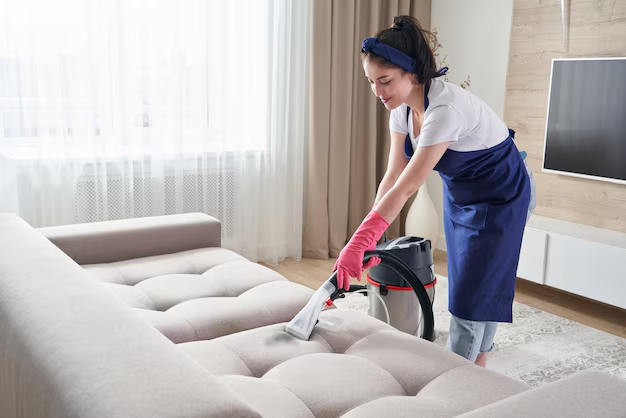
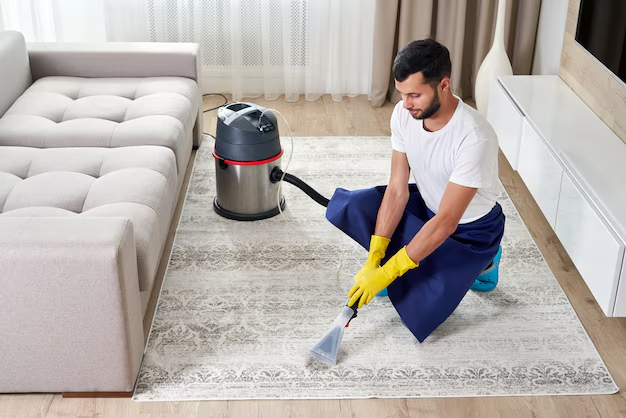
- Vacuuming carpets and soft flooring
- Mopping hard floors
- Cleaning bathrooms
- Wiping tables and chairs
- Cleaning high-touch surfaces
- Cleaning accessible play equipment
- Emptying rubbish bins
- Cleaning kitchen and food preparation surfaces
- Cleaning staff areas
- Dusting accessible surfaces
- Spot cleaning walls and doors
- Cleaning entry areas
- Additional cleaning after spills
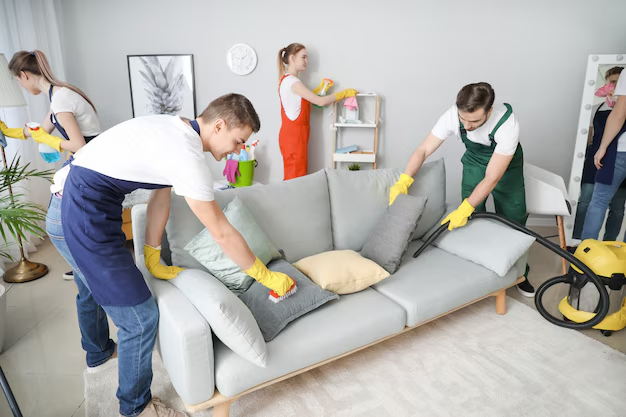
For larger facilities, the schedule can be divided into zones. This approach makes it easier to ensure that classrooms, bathrooms, kitchens and common areas receive the appropriate level of attention.
How Can Daycare Centres Maintain Cleanliness Between Professional Visits?
Professional cleaning does not remove the need for everyday housekeeping by centre staff. Children and staff may create spills, move equipment or introduce dirt during normal activities.
A simple daily routine can help maintain the results between scheduled cleaning visits.
Simple Maintenance Checklist
- Clean spills as soon as practical.
- Keep food areas free from leftover food and residue.
- Remove rubbish regularly.
- Keep frequently handled items clean.
- Follow hand-washing procedures.
- Keep cleaning chemicals inaccessible to children.
- Report leaks, damaged surfaces and maintenance problems.
- Follow the centre’s illness and contamination procedures.
- Keep bathrooms checked throughout operating hours.
- Separate cleaning equipment where required by the centre’s procedures.
These measures work alongside professional daycare cleaning services rather than replacing them.
Should Daycare Centres Arrange Deep Cleaning?
Yes, periodic deep cleaning can be useful in areas that are difficult to address during a normal daily routine.
Deep cleaning may include detailed work on floors, skirting boards, corners, accessible walls, shelving, furniture, windows and other areas where dust or residue can accumulate.
The timing can depend on the centre’s activities and condition. Some facilities may schedule deeper work during quieter periods, school holidays or planned closures.
Professional daycare cleaning services can be adapted to include these tasks without making every routine visit unnecessarily long.
Why Is a Consistent Cleaning Schedule Important?
Consistency is one of the main advantages of using a structured cleaning programme. Without a schedule, some areas may receive frequent attention while less obvious areas are repeatedly missed.
A documented approach helps divide responsibilities between centre staff and cleaners. It can also make it easier to identify whether a task needs to be performed daily, weekly or periodically.
For Adelaide childcare facilities, professional daycare cleaning services can be organised around opening hours, room usage, staffing arrangements and the centre’s specific cleaning requirements.
The goal is not simply to make the facility look clean. It is to establish a practical system that keeps important areas maintained throughout normal operations.
Conclusion
A daycare centre has many different cleaning needs, from children’s playrooms and toys to bathrooms, food areas and high-touch surfaces. Regular cleaning, safe product handling and clear routines all contribute to a more organised environment for children, staff and visitors.
The four main questions covered in this guide show why daycare cleaning services need to be planned around the way a centre operates. The right frequency depends on usage, while high-touch areas and children’s facilities often need particular attention. A written checklist can improve consistency, and periodic deep cleaning can address areas that are harder to maintain during everyday routines.
For Adelaide centres looking for structured daycare cleaning services, view the available cleaning services or contact the cleaning team to discuss the facility, preferred schedule and required cleaning areas. AussieBrite Services can arrange a cleaning plan based on the centre’s individual requirements.
FAQs
1. What areas should daycare cleaning services cover?
A daycare cleaning plan can include playrooms, floors, bathrooms, nappy-changing areas, kitchens, dining spaces, sleeping rooms, entry areas, staff rooms, toys and frequently touched surfaces. The exact scope should be adjusted to the centre’s layout and daily activities.
2. How often should daycare facilities be professionally cleaned?
Daily cleaning is commonly needed for heavily used areas, while some detailed tasks can be completed weekly or periodically. Spills, contamination and other incidents may require additional cleaning outside the regular schedule.
3. Are daycare cleaning services different from normal commercial cleaning?
Yes. Daycare facilities have specific considerations because children interact closely with floors, toys, furniture and shared equipment. Cleaning plans should also consider nappy areas, children’s bathrooms, play spaces and safe handling of cleaning products.
4. Can daycare cleaning services include deep cleaning?
Yes. A cleaning schedule can include periodic deep cleaning of areas such as floors, shelving, corners, accessible walls, furniture, windows and other less frequently cleaned surfaces. The frequency can be arranged around the centre’s operating schedule.